From Planning to Maintenance: Explore the Various Kinds of Outdoor Services We Offer
Landscaping solutions include a extensive array of offerings, from preliminary design ideas to ongoing maintenance. Each step is vital in building and maintaining an external space that corresponds with individual tastes and ecological factors. By grasping the procedure and alternatives at hand, property owners can make informed decisions that improve both visual appeal and practical use. What key elements should one consider to guarantee a prosperous outdoor renovation?
Steps to Determine Your Outdoor Design Vision
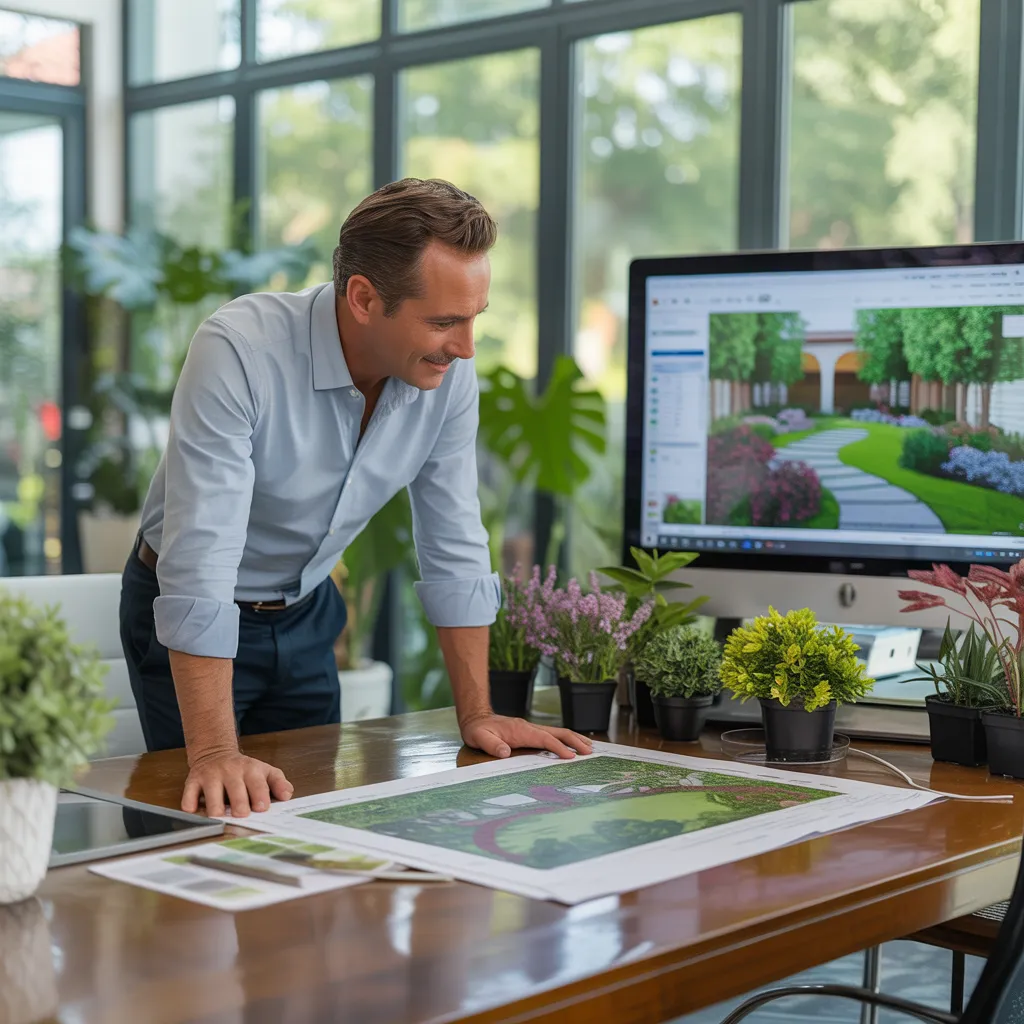
Establishing a landscape design plan is vital for designing an external area that showcases individual taste and satisfies practical needs. This approach begins with evaluating the existing environment, including soil quality, sunlight exposure, and climate considerations. Understanding these elements helps in selecting suitable plants and resources.
Next, folks should consider their lifestyle and how they plan to occupy the space. Whether for entertaining, cultivating plants, or relaxation, these activities will dictate design choices.
Visual inspiration can be drawn from various sources, such as magazines, online platforms, or nature itself. Creating a mood board can aid in clarifying tastes.
Finally, creating a spending limit is vital, as it affects plant selection, hardscape choices, and overall design complexity. Through combining these components, people can establish a clear outdoor design plan that balances aesthetic appeal with functionality, paving the way for a thriving landscape renovation.
Designing the Superior Garden Style
Once a well-defined design vision has been established, the following step involves creating the perfect landscape design. This process requires a fusion of artistic vision and practical considerations. Effective landscape design starts with evaluating the site's unique characteristics, such as topography, soil type, and sunlight exposure. These factors inform the layout, confirming the design enhances the natural beauty of the environment.
A successful design integrates numerous elements, including hard landscaping features like patios and pathways, alongside soft landscaping components such as lawns and gardens. Strategic placement of these components creates a balanced flow, ushering visitors through the space. Additionally, attention to scale and proportion ensures that each element works well with the others, avoiding congestion or disparity.
Ultimately, the design should reflect the client's desires while maintaining practicality. By meticulously planning every detail, a outdoor design can convert the exterior area into a beautiful and welcoming setting, prepared to be enjoyed year-round.
Picking Flora That Succeed in Your Regional Climate
Identifying plants that perform well in a specific climate requires a thorough understanding of temperature zones, which demonstrate which plant types can endure local weather conditions. Moreover, prioritizing local vegetation can boost natural equilibrium and strength in the landscape. Timing considerations considerations also have an vital role in ensuring long-term success and wellbeing of the planting area.
Grasping the Concept of Temperature Hardiness Zones
Grasping hardiness zones is important for those who garden and landscapers attempting to grow plants that will survive in their designated climatic regions. These zones, set by the USDA, segment regions according to average minimum winter temperatures. By identifying the hardiness zone of a given location, individuals can opt for plants that are most likely to withstand local weather conditions. Each zone is labeled with a number, with subcategories indicating small temperature differences. For example, a plant meant for Zone 5 may not perform well in Zone 4, where winters are colder. Grasping these zones facilitates making informed decisions about plant selection, resulting in better landscapes and lowering the risk of plant failure. This understanding ultimately helps build a more long-lasting and healthy garden or landscape.
Native Plant Choosing
While many gardeners may be tempted to choose unusual species for their landscapes, going with indigenous plants often gives greater success. Native plants are adapted to local climates and soils, requiring less water and maintenance compared to non-native varieties. They provide crucial dwellings for native creatures, promoting species richness and natural harmony. Selecting native species can also cut down disease problems, as these plants are naturally resistant to native pathogens. Additionally, integrating indigenous species strengthens the visual beauty of a landscape by reflecting the area's wild character. Nature enthusiasts are motivated to research the specific native plants suitable for their area, ensuring a thriving garden that matches ecological conservation. Ultimately, native plant selection builds a serene and strong garden space.
Learning yearly cultivation needs helps you succeed
In planning a garden, gardeners must consider the seasonal environmental changes that impact plant development and vitality. Choosing plants that thrive in certain climate zones ensures peak performance and longevity. For example, in the warmer regions, drought-resistant plants are often selected, while cooler climates benefit from hardy perennials that can withstand frost. Understanding local weather patterns, including rainfall and temperature fluctuations, assists in selecting the right species. Additionally, seasonal changes dictate the best planting times; spring suits many annuals, whereas fall is ideal for some perennials. By matching plant selection with local climate circumstances, gardeners can create fresh, eco-friendly landscapes that flourish through all seasons, reducing maintenance efforts and improving the overall attractiveness of the garden.
Create Your Ideal Backyard Space
Developing a dream outdoor living space involves careful consideration of tailored design solutions that represent personal inclinations. Functional outdoor features, including gathering spots and meal preparation areas, strengthen usability while complementing the visual character. Combined, these aspects reshape a plot into a personalized retreat.
Customized Layout Solutions
Tailored customized solutions offer homeowners the opportunity to transform their outdoor spaces into personalized sanctuaries. By considering individual preferences, lifestyles, and environmental factors, landscaping professionals create unique designs that reflect the homeowner's vision. These solutions encompass various elements, such as plant selection, hardscaping, and layout adjustments, ensuring that each outdoor space is both aesthetically pleasing and functional. Through collaboration with clients, designers can incorporate specific themes, colors, and materials, enhancing the overall appeal. The focus is on creating harmonious environments that seamlessly integrate with the home while addressing the homeowner's practical needs. Ultimately, tailored design solutions not only elevate the beauty of outdoor areas but also foster a sense of connection with nature, enriching everyday experiences.
Functional Outdoor Features
Practical outdoor features serve an important role in boosting the usability and satisfaction of outdoor living spaces. These elements, such as patios, decks, and outdoor kitchens, establish appealing areas for rest and entertaining. Integrating features like fire pits and water elements can deliver both aesthetic charm and practical advantages, letting homeowners appreciate their yards year-round. Furthermore, thoughtfully positioned seating and dining areas foster social gatherings, while pathways and lighting enhance navigability and protection. Green options, like rain gardens and permeable paving, support environmental wellbeing. In summary, practical outdoor amenities convert a yard into a versatile space that addresses diverse requirements, assisting homeowners to optimize their outdoor experience while establishing a peaceful balance between nature and design.
Ways to Make Your Landscaping Increasingly Environmentally Conscious?
What ways can property owners redesign their outdoor spaces into sustainable landscapes? One practical approach is to add native plants, which demand less water and maintenance while supporting local wildlife. Using drought-tolerant species can greatly reduce water consumption, making landscapes more green.
Another method involves establishing rain gardens to manage stormwater overflow successfully, allowing rainwater to absorb into the ground rather than leading to pollution. Homeowners can also go with organic fertilizers and pest control methods to minimize chemical usage, promoting a better ecosystem.
Applying permeable paving materials to walkways and parking areas enhances water infiltration, reducing erosion and runoff. Additionally, introducing composting units stimulates waste recycling and improves soil health.
Critical Ongoing Landscape Care
What essential tasks guarantee a landscape remains fresh and sound throughout the year? Year-round landscape preservation involves a variety of important activities that boost premier increase and aesthetics. Regular grass maintenance verifies that grass proves robust and at an ideal height, while seasonal fertilization gives necessary nutrients. Pruning shrubs and trees not only maintains their shape but also nurtures vigorous growth and reduces the risk of disease.
Another necessary task is weeding, as it prevents contest for resources among plants. By mulching, soil moisture is maintained and weed growth is suppressed, enhancing the overall appearance of garden beds. Additionally, seasonal inspections of irrigation systems confirm efficient water use, avoiding waste and promoting sustainability.
Transforming Your Space: Stunning Before and After
A properly maintained landscape lays the groundwork for dramatic changes that can refine any outdoor setting. Landscaping services focus on revitalizing environments, showcasing stunning before-and-after makeovers that inspire awe. These projects usually start off with a thorough assessment of the present landscape, highlighting problem areas, such as overgrown plants, worn pathways, or insufficient lighting.
After the blueprint is approved, skilled professionals execute modifications that may include new plantings, artistic elements, and functional installations like patios or outdoor kitchens. The results can be stunning: lifeless yards can turn into vibrant gardens, while lackluster pathways can be transformed into welcoming walkways.
Photographs capturing refer now these transformations showcase the success of expert landscaping. The dramatic difference between the starting condition and the finished project stresses not only aesthetic appeal but also the enhanced worth of the property. Ultimately, a beautifully transformed landscape can establish a welcoming atmosphere, enriching the overall experience of outdoor living.

Often Asked Inquiries
What Is the Typical Price of Landscaping Solutions?
regional labor rates and local labor rates.
How Much Time Should You Anticipate for a Landscaping Project?
A landscape design project typically requires one to four weeks, subject to elements such as project size, complexity, weather conditions, and the specific services required. Comprehensive planning can help optimize the timeline efficiently.
Are Seasonal Landscaping Services Available?
Indeed, seasonal landscaping services are available, featuring spring clean-ups, summer maintenance, autumn leaf removal, and winter preparations. These offerings guarantee landscapes keep healthy and visually appealing throughout the changing seasons, handling specific seasonal needs effectively.
Should I Care for My Outdoor space Myself Following Setup?
Yes, upkeeping a landscape independently after installation is achievable. However, it requires knowledge of correct methods, tools, and seasonal care to guarantee the landscape remains vibrant and aesthetically appealing over time.
Which Equipment Are Used for Landscaping Jobs?
Landscaping undertakings typically necessitate equipment such as lawnmowers, trimmers, blowers, shovels, rakes, and various power tools. Larger assignments may also utilize excavators and trucks for hauling materials, increasing efficiency and precision in the work.